

Most problems on the water start small: a forgotten check, a forecast ignored, a life jacket left in the locker. These boat safety tips turn the best boating practices into simple habits, so you can relax and enjoy the day — whether you are skippering your own boat or joining friends on theirs.
Before you leave the dock
A five-minute routine before casting off prevents most of the trouble boaters run into. Do it every time, even for a short hop.
- Fuel and power: check you have enough fuel for the trip plus a reserve, and that batteries are charged.
- Engine and bilge: look for oil or fuel in the bilge, test the bilge pump and check cooling water is flowing once the engine starts.
- Safety kit: count life jackets, check the fire extinguisher gauge and make sure the first-aid kit is where everyone can find it.
- Lines and fenders: are they ready for coming back alongside, or will you be fumbling at the last minute?
- Crew briefing: show guests where the safety gear is, how to use the radio and who takes over if the skipper is unable to.
Mechanical checks overlap with routine upkeep; our boat maintenance and care guide covers what to inspect weekly and seasonally.
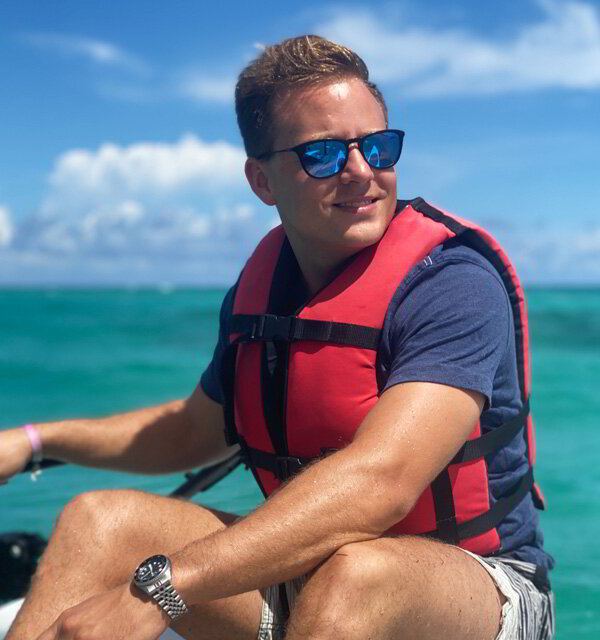
Life jackets that actually get worn
Bulky foam vests stay in lockers. Choose life jackets that fit, are comfortable and suit the activity:
- Inflatable life jackets are light and unobtrusive, ideal for adults who will wear one all day. Service them as the manufacturer recommends and check the gas cylinder.
- Foam buoyancy aids suit dinghy sailing, paddling and water sports where you expect to get wet.
- Children's life jackets must be the right size, with a crotch strap so they cannot slip off.
Make life jackets the default for children, non-swimmers and anyone on deck in rough conditions or at night.
Reading the weather
Weather is the single biggest factor in a safe trip. Check a marine or local forecast before you go and again before you return. Pay attention to wind strength and direction, gusts, thunderstorm warnings and, on the coast, tides and currents.
Rule of thumb: if you are debating whether conditions are too much for your boat or your crew, they probably are. Postponing a trip is never a mistake.
On inland lakes, wind can build steep, short waves surprisingly quickly — and summer thunderstorms can arrive within an hour. Keep an eye on the sky and know where the nearest sheltered harbour is.
Best practices underway
- Keep a proper lookout. Someone should always be watching ahead, especially in busy waters or near swimmers.
- Watch your speed. Respect speed limits and slow down near moorings, swimmers and narrow channels — your wake affects others.
- Know the right of way. Learn the basic collision rules for the waters you use, including the extra caution required around commercial vessels.
- No alcohol for the skipper. The person in charge of the boat should stay sober; alcohol affects balance and judgement far more on a moving deck.
- Mind the engine cut-off. On small powerboats, attach the kill cord to the helmsperson so the engine stops if they go overboard.
Communication and float plans
Before you set off, leave a float plan with someone on shore: where you are going, who is aboard and when you will be back. Carry at least two ways to call for help — for example a fixed or handheld VHF radio and a charged phone in a waterproof case. In Germany, operating a marine VHF radio requires the appropriate radio certificate (such as the SRC for coastal waters or the UBI for inland waterways).
If something goes wrong
Person overboard
Shout "man overboard", throw a buoyancy aid, assign someone to point at the person continuously and bring the boat back under control. Practise the manoeuvre with your crew on a calm day.
Engine failure
Anchor if you are drifting toward danger, then troubleshoot calmly: fuel, air, cooling water, electrics. If you cannot fix it, call for assistance early rather than late.
Fire
Shut off fuel and power, use the extinguisher at the base of the flames and get everyone into life jackets. If the fire cannot be controlled, call for help and prepare to abandon the boat.
A note on rules in Germany
Many Making Friends Tour guests start boating in Berlin and Brandenburg. Rules differ by waterway and boat type, and they change, so always check the current regulations. As a general guide, motorboats above a certain engine power need a recreational boating licence (the Sportbootführerschein), while some charter regions allow licence-free boats after a short instruction from the charter company. Your charter provider or local waterways authority can confirm what applies to your trip.
Once you feel confident, our guides to boating destinations and picking your first trips will help you decide where to go next.